Best VPN for Streaming Buffering Fixes
If your show keeps freezing right when the plot gets good, the problem is not always your internet plan. A bad VPN server, weak protocol choice, crowded location, or simple app misconfiguration can turn HD streaming into a stop-start mess. Finding the best VPN for streaming buffering usually comes down to fixing those bottlenecks fast, not just buying the most advertised service.
What actually causes VPN streaming buffering?
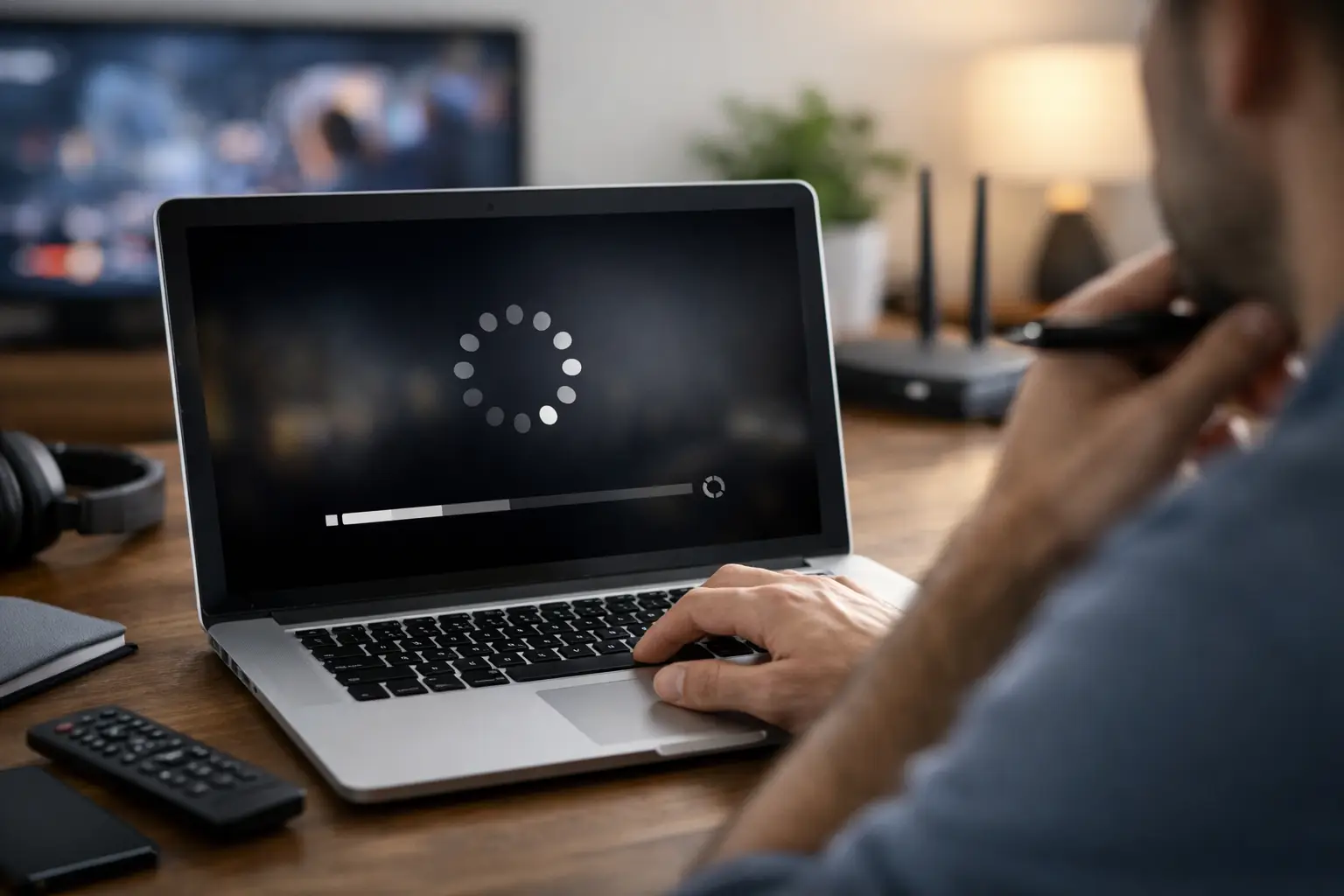
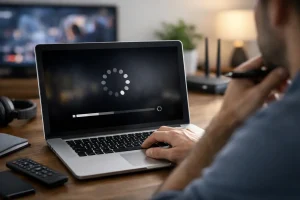
Buffering happens when your device cannot receive video data quickly enough to stay ahead of playback. A VPN adds an extra step by encrypting traffic and routing it through another server. That extra distance and processing can slow things down, but it should not make streaming unusable.
In most cases, the issue is one of four things. The server is too far away, the server is overloaded, the VPN protocol is inefficient for streaming, or your base connection is already too weak for the video quality you are trying to watch. Sometimes the streaming app itself is part of the problem, especially if it cached a bad connection session or is fighting with your device DNS settings.
That matters because the best fix depends on the real cause. Switching providers can help, but many users can cut buffering in minutes just by changing how their current VPN is set up.
Best VPN for streaming buffering – what to look for
If your goal is smoother playback, focus less on marketing claims and more on performance details that affect speed in real use.
A good VPN for streaming should offer a large spread of servers in the region you actually need, not just a huge total count. It should also support fast modern protocols like WireGuard or a comparable in-house protocol built for lower overhead. If the app lets you see server load or recommends the fastest location automatically, that is a real advantage when buffering is the issue.
You also want reliable apps on the device you stream from most. A VPN that runs well on a phone but struggles on a smart TV or Fire TV stick may not solve your main problem. For streaming, consistency matters more than having dozens of advanced security settings you will never touch.
The trade-off is simple. The most privacy-heavy setup is not always the fastest one. Double VPN routes, extra filtering layers, and aggressive security features can reduce speed. If your main goal is watching Netflix, Hulu, Max, YouTube TV, or sports streams without interruptions, pick the setup that balances privacy with stable throughput.
The fastest way to test if your VPN is the problem
Before changing subscriptions, run a quick isolation test. Disconnect the VPN and stream the same title for a few minutes on the same device and network. If buffering disappears, your VPN is almost certainly the bottleneck. If buffering stays, the problem may be your Wi-Fi, ISP congestion, device performance, or the streaming service itself.
Next, reconnect the VPN and switch to the nearest server in the same country. If speed improves, distance was likely the issue. If it does not, change protocols. Many people stay on the default option even when their app supports something much faster.
This basic check saves time. It tells you whether you need a new VPN or just better settings.
7 fixes to stop buffering with a streaming VPN
1. Switch to the closest possible server
This is the fastest fix and often the most effective. If you are in Chicago and connected to a server in London to watch a US service, you are creating unnecessary delay. Use the nearest server that still gives access to the content you want.
If you need a specific country library, try several cities within that country. One New York server may be overloaded while another works fine.
2. Change your VPN protocol
For most users, WireGuard is the first protocol to try for streaming because it is generally faster and lighter than older options like OpenVPN. If your VPN uses labels like Lightway, NordLynx, or another custom protocol, those are usually the speed-focused choices.
OpenVPN can still be stable, but it is not always the best pick for high-bitrate streaming. If your video keeps dropping quality or pausing, switching protocols can make an immediate difference.
3. Avoid peak-hour server congestion
Not all buffering is caused by your setup. Popular servers get crowded, especially during evenings, weekends, and live sports events. If your VPN app shows server load, avoid anything heavily loaded. If it does not, manually test two or three nearby options.
This is one reason the best vpn for streaming buffering is rarely just about brand name. It is also about having enough well-managed servers that users are not all being pushed into the same locations.
4. Lower stream quality for testing
This is not the ideal long-term answer, but it is a useful diagnostic step. Drop from 4K to 1080p or from 1080p to 720p for a few minutes. If buffering disappears, your VPN connection may be borderline fast enough for lower resolutions but not high-bitrate video.
That tells you the issue is throughput, not just app glitches. From there, you can work on server choice, protocol, or device setup instead of guessing.
5. Clear the streaming app cache or restart the device
Streaming apps sometimes hold onto old network session data or cached errors. On phones, tablets, streaming sticks, and smart TVs, clearing cache or force-closing the app can stabilize playback. A full device restart can also help, especially on older streaming hardware that is low on memory.
This sounds basic because it is basic. It also works more often than people expect.
6. Use Ethernet or better Wi-Fi
A VPN cannot fix weak local networking. If your router is far from your TV, if your 2.4 GHz band is crowded, or if several devices are using bandwidth at once, the VPN gets blamed for problems it did not create.
If possible, test with Ethernet. If not, move to 5 GHz Wi-Fi and reduce interference. Even a strong VPN will buffer if the device is getting an unstable local signal.
7. Disable extra VPN features you do not need
Ad blockers, malware filtering, multi-hop routing, and advanced privacy layers can be useful, but they can also add latency or interfere with certain streaming apps. For troubleshooting, turn off anything not directly required.
Once streaming is stable, you can re-enable features one at a time and see if performance changes.
When you should switch VPN providers
If you have tested multiple nearby servers, changed protocols, confirmed your home network is fine, and the app still buffers regularly, switching providers is reasonable. A better VPN for streaming usually shows its value in three places: faster connection times, more stable video quality, and fewer disconnects during long sessions.
Look for providers with a track record of handling streaming well on your main device type. A VPN that performs great on desktop may still be frustrating on smart TVs if the app is clunky or limited. The better choice is the one that works with the least effort on the hardware you already use.
It also helps to be realistic about your internet speed. If your base connection is only 15 to 20 Mbps during busy hours, even a good VPN may struggle with 4K. In that case, the best provider can reduce buffering, but it cannot create bandwidth that is not there.
Best VPN for streaming buffering on different devices
On phones and laptops, you have more control. You can switch protocols, test servers quickly, clear app data, and compare speeds with and without the VPN in a few taps. Troubleshooting is easier there.
On smart TVs and streaming sticks, things are less flexible. Some apps offer fewer settings, and some devices have weaker processors that do not handle VPN overhead well. If buffering mainly happens on a TV but not on your phone using the same VPN and network, the device may be the weak point.
Routers are another case. Running a VPN at the router level can help cover all devices, but cheaper routers may not have enough processing power for strong encrypted throughput. If your whole home network slows down when the VPN is enabled on the router, that is a hardware limitation, not always a VPN failure.
A simple checklist before you blame the stream
Start with the nearest server, then change to a faster protocol, restart the app, and test without the VPN for comparison. After that, check your Wi-Fi quality and reduce video resolution briefly to see whether the issue is raw speed.
That order matters because it moves from the quickest fixes to the bigger decisions. It is the same practical troubleshooting approach Owkid uses across problem-solving content: eliminate the easy causes first, then escalate only if needed.
If you are trying to find the best VPN for streaming buffering, think less about who has the loudest ads and more about who gives you stable speeds, low-friction apps, and enough server options to avoid congestion. The right VPN should fade into the background so your stream can do the same.