How to Recover Disabled Facebook Account Fast
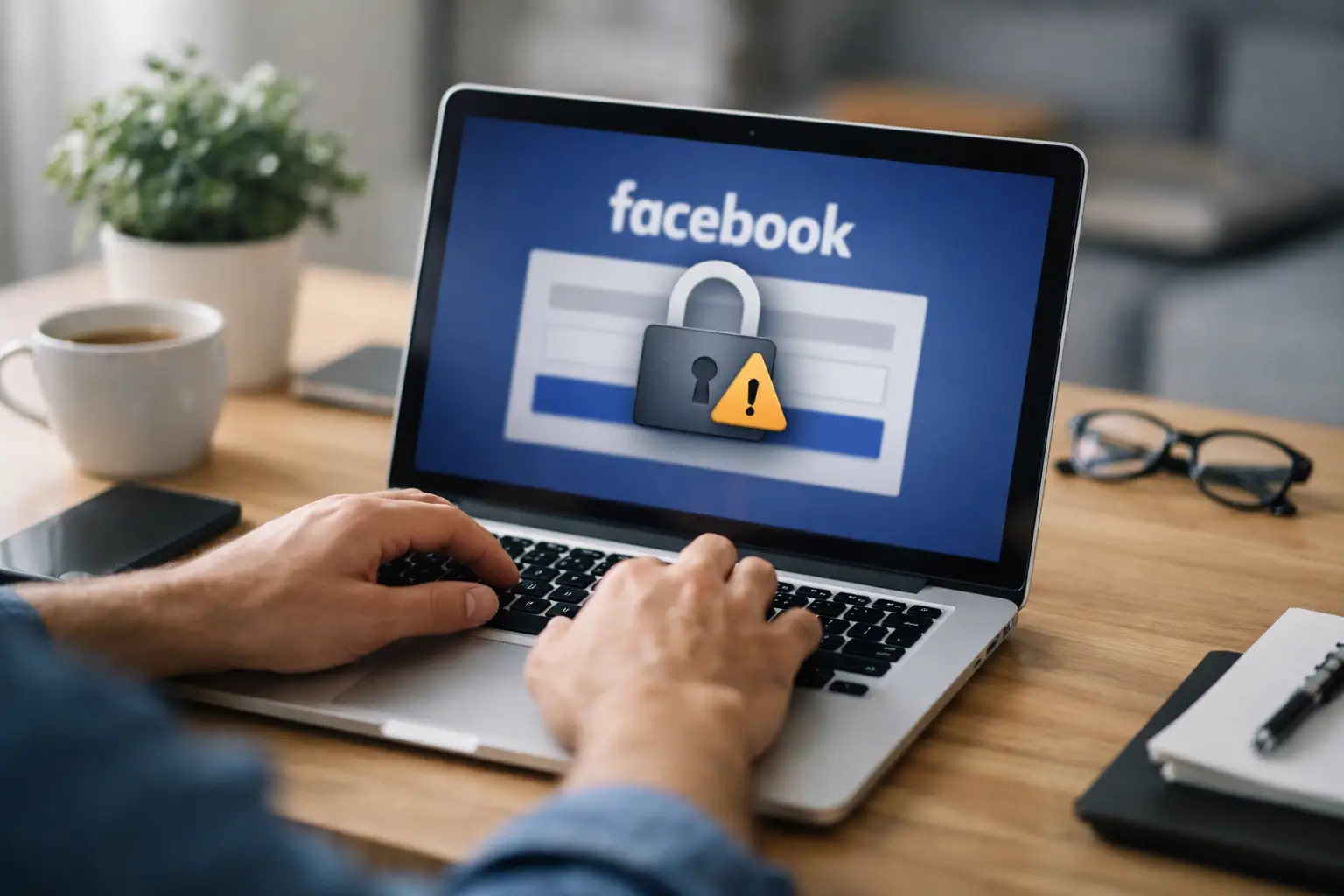
Getting locked out of Facebook without warning is the kind of problem that stops everything at once. If you’re searching for how to recover disabled Facebook account access, the key is figuring out why it was disabled first, then using the right recovery path before you waste time on steps that do not apply.
A disabled Facebook account is not the same as a hacked account, a forgotten password, or a temporary login checkpoint. Facebook disables accounts when it believes its rules were broken, when suspicious activity is detected, or when identity verification fails. In some cases the account comes back after a quick review. In others, you need to submit an appeal and prove the account belongs to you.
Start by checking what kind of lockout you have
Before you do anything else, try logging in through the Facebook app or website and read the exact message on screen. That message matters. If Facebook says your account has been disabled, placed under review, or permanently disabled for violating Community Standards, you are dealing with an enforcement issue. If it asks for a code, photo check, or ID, that is usually a security verification issue. If you simply cannot log in because the password is wrong, that is a standard account recovery problem, not a disabled account problem.
This is where many users lose time. They reset the password over and over even though the account is disabled and password resets will not fix it. If the word disabled appears in the message, focus on the appeal and verification process.
How to recover disabled Facebook account access
The fastest path is to use Facebook’s built-in review flow exactly as presented on the login screen. If the account was disabled by mistake, Facebook may offer a button to request a review. Use that first. It is tied directly to the disabled account status and usually works better than trying unrelated recovery forms.
When you submit the review, use your real name exactly as it appears on the account. If Facebook asks for an ID, upload a clear image with readable text and matching details. A driver’s license, state ID, passport, or another accepted ID document usually works best. Do not crop too aggressively, blur details, or upload a dark photo. If the system cannot read it, your review can stall.
If there is a text box for explanation, keep it short and factual. Say that you believe the account was disabled in error, confirm that the account belongs to you, and mention if you suspect unauthorized access or unusual login activity. Do not write an angry message or a long story. Clear and calm works better.
Common reasons Facebook disables accounts
Facebook does not always explain the trigger in detail, but most disabled accounts fall into a few categories. One is suspected fake identity or name mismatch. Another is unusual activity such as rapid friend requests, repetitive posting, login attempts from strange locations, or behavior that looks automated. The third major category is content or policy enforcement, which can happen after posts, comments, groups, ads, or marketplace activity are flagged.
This matters because recovery odds depend on the reason. If the account was disabled because Facebook could not confirm your identity, providing valid ID may solve it. If the account was disabled after a serious policy violation, recovery is less certain. If the account was hacked and then used for spam, mention that in the review because Facebook may treat it differently if the bad activity was not actually yours.
What to do if Facebook asks for identity verification
If Facebook requests identity confirmation, respond as soon as possible. Delays can make the process longer, and in some cases access windows are limited. Use an ID that matches your profile details. If your account uses a nickname, maiden name, shortened first name, or a business-style display name, that can create friction.
If your legal name differs from the profile name, include a concise explanation if Facebook allows one. For example, you can note that the account uses a common shortened version of your legal name. If you recently changed your name, supporting documents may help depending on what Facebook requests.
Use a stable internet connection and upload from a device you normally use for Facebook if possible. That will not guarantee approval, but it can reduce extra security flags.
If your disabled Facebook account was hacked first
A hacked account can end up disabled after the attacker posts spam, scams people, or changes key settings. In that case, recovery can feel messy because you are dealing with both a security incident and a policy action.
Start with the disabled account review if it is available. In your explanation, state that you believe the account was compromised before it was disabled. After that, check your email for alerts about password changes, login attempts, or disabled account notices from Facebook. Those emails can help you piece together what happened.
If you regain access, change the password immediately, sign out of other sessions, remove unknown devices, check your email address and phone number on the account, and turn on two-factor authentication. Also review connected apps, ad account activity, and recent messages. Attackers often leave behind changes that are easy to miss.
How long Facebook review usually takes
There is no fixed timeline. Some reviews finish within a day or two. Others take a week or more. During high-volume periods, it can take longer. If Facebook says the decision is final, the odds of reversal drop, but there are still cases where additional identity checks reopen the process.
The hard part is that repeated submissions do not always help. In some cases they slow things down or create confusion if the information does not match. If you have already submitted an appeal, wait for the response unless Facebook specifically prompts you for more details.
Mistakes that make recovery harder
One common mistake is submitting fake or edited ID. That can lead to a denial and make future review harder. Another is creating a new Facebook account with the same identity while the disabled account is under review. Sometimes users do this just to contact friends, but it can create more flags if Facebook sees duplicate identity signals.
Another problem is using VPNs, borrowed devices, or public Wi-Fi during recovery. Those do not always break the process, but they can trigger extra security checks. Stick with your normal device and home or mobile connection when possible.
Also avoid paying anyone who claims they can restore disabled Facebook accounts. There is no legitimate shortcut through random social media sellers, and many of those offers are scams aimed at desperate users.
What if Facebook says your account is permanently disabled?
This is the toughest version of the problem. If Facebook clearly states that the account was permanently disabled for violating its standards and no review option is shown, recovery may not be possible. That said, if the disablement happened after a hack, identity confusion, or a clear mistake, watch for any official email that offers another review or verification step.
You should also check whether connected Instagram or Meta account systems show additional prompts. Sometimes identity or account center details can reveal more context than the basic login screen alone. Just make sure you are using official Meta surfaces and not third-party tools.
If the account cannot be restored, your next move is practical damage control. Secure the email account tied to Facebook, update passwords on any services where you used Facebook Login, and warn close contacts if the account may have sent spam or scam messages before it was disabled.
How to improve your chances of getting the account back
Accuracy matters more than volume. Submit one clean appeal with matching identity details, a readable ID if requested, and a short explanation. Use the same name, birth date, and core account details consistently. Check your spam or junk folder for Facebook emails because review decisions and verification prompts sometimes land there.
It also helps to think like a verification system. Facebook is trying to answer two questions: is this person the real owner, and is the account safe to restore? Your job is to reduce doubt on both points. That means proving your identity and signaling normal account behavior, not pushing harder with repeated messages.
When to stop waiting and move on
If weeks pass with no update and no new prompts, there may not be much more you can do from the user side. At that point, focus on protecting connected services and rebuilding access where needed. If Facebook Login was attached to Spotify, Pinterest, games, or shopping apps, change those sign-in methods right away.
That may sound frustrating, but it prevents one locked account from turning into five more problems. Owkid covers this kind of issue for a reason: the fastest fix is often part recovery and part damage control.
If your account was disabled by mistake, a clean appeal and valid ID are still your best shot. Stay precise, use official prompts only, and do the boring basics well. That is usually what gets access restored fastest.