Future of Crypto Wallet Security Explained
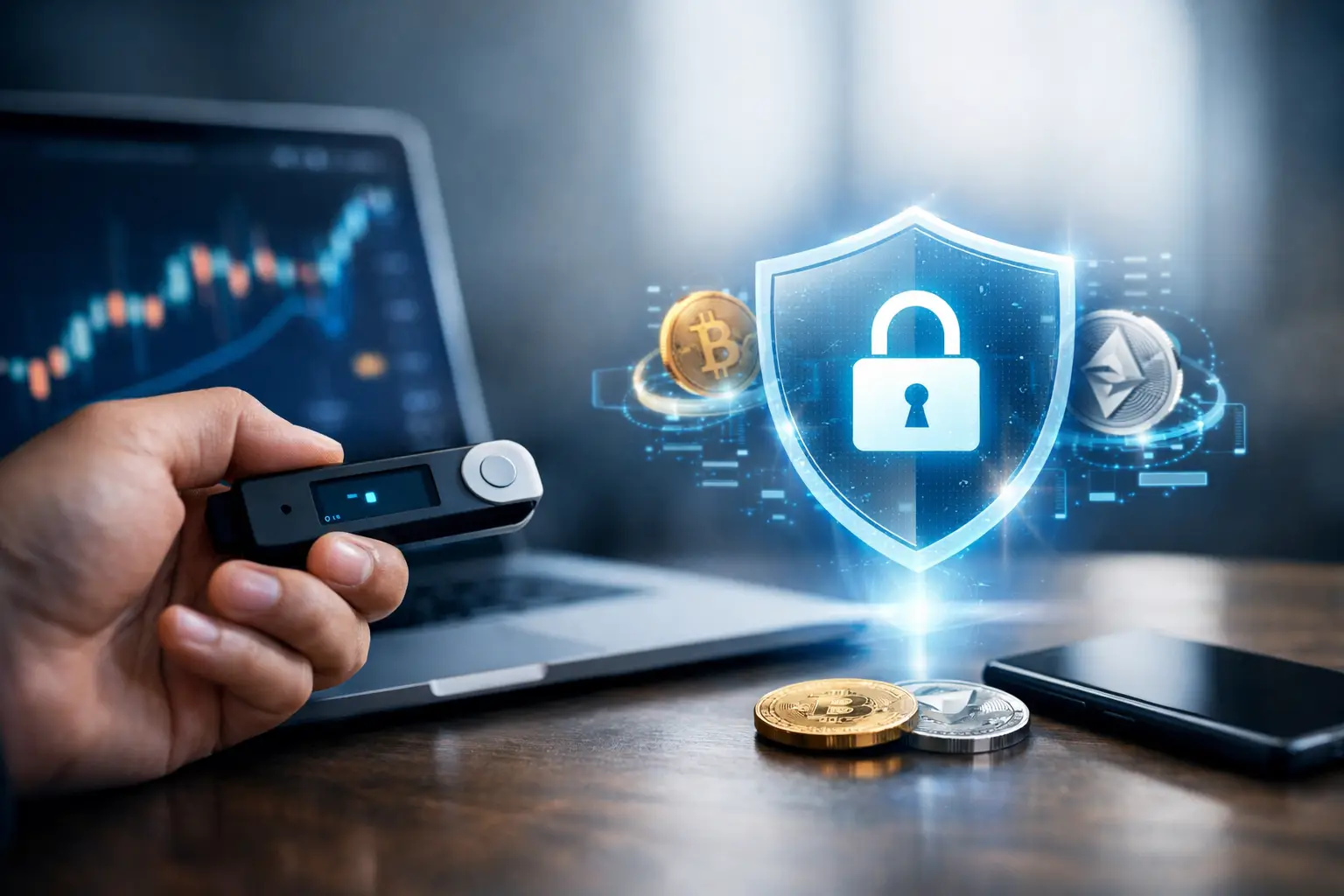
A wallet app asking for a recovery phrase in a pop-up window is still one of the oldest tricks in crypto – and people still lose funds to it every day. That is exactly why the future of crypto wallet security matters to regular users, not just developers and security teams. The next wave of wallet protection is not about making crypto look more advanced. It is about reducing the number of easy mistakes that turn into permanent losses.
For most users, the real problem has never been encryption alone. It has been phishing, weak backups, bad device habits, fake browser extensions, and confusing wallet flows that make risky actions feel normal. So if you want a realistic view of what changes next, start there. The wallets that win will not just be harder to hack. They will be harder to misuse.
What the future of crypto wallet security really looks like
The biggest shift is away from one-point failure. Traditional wallet setups often rely on a single seed phrase, a single device, or a single moment of user responsibility. If that phrase is exposed, lost, or typed into the wrong place, recovery can be impossible. That model gave users full control, but it also gave them full liability.
Future wallet security is moving toward layered protection. That includes multi-factor approvals, hardware-backed key storage, device-level verification, spending limits, fraud detection, and account recovery methods that do not rely on one secret written on paper. Some crypto purists dislike that because it can feel less self-sovereign. For mainstream users, though, reducing irreversible failure is a practical improvement.
There is a trade-off here. More security layers can mean more setup, more prompts, and more recovery friction. But for most people, a little friction at the right moment is better than losing an entire balance because of one bad click.
Seed phrases will matter less, but not disappear
The seed phrase is not going away overnight. It still works, and it remains one of the simplest ways to let users restore access across wallets. The problem is that it pushes too much risk onto people who are not trained to manage high-value secrets.
That is why many newer wallet designs are trying to hide or replace seed phrase dependence. Some use secure enclaves on phones. Others split recovery into multiple parts across devices or trusted contacts. Some introduce passkey-style logins backed by local cryptographic keys instead of one exportable phrase.
This change will help with a common issue: users getting locked out after a phone reset or broken device. At the same time, it creates a new question. If recovery becomes easier, who controls it? A wallet that offers social recovery or cloud-assisted recovery may be safer for average users, but it also introduces trust assumptions that do not exist in pure self-custody.
For everyday users, the practical takeaway is simple. Expect wallets to offer more than one recovery path. When you set one up, do not just accept the default. Check how recovery works before you store real funds.
Smart wallets will push security forward
One major part of the future of crypto wallet security is the rise of smart wallets, especially on chains that support account abstraction. In plain English, that means the wallet can enforce rules that a basic externally owned account cannot.
Instead of relying on a single private key for every action, a smart wallet can require extra approvals, delay high-risk transactions, or allow a recovery contact to help restore access. It can also block certain transaction types, cap daily spending, or trigger alerts when a signing request looks unusual.
That matters because many losses happen during signing, not storage. A user connects to a malicious site, sees a confusing approval prompt, and authorizes access without realizing what it does. Smarter wallets can add clearer warnings and policy-based controls that catch obvious danger before the transaction goes through.
This will not eliminate scams. Attackers will adapt. But it should lower the number of losses caused by vague prompts and all-or-nothing permissions.
Hardware-backed security will become more normal
Right now, many users treat hardware wallets as something only serious investors need. That will likely change. As more funds move on-chain and more users interact with DeFi, gaming assets, stablecoins, and tokenized accounts, hardware-backed protection will become a standard recommendation rather than an advanced option.
That does not always mean a dedicated hardware wallet device. Phones, tablets, and laptops already include secure hardware modules that can isolate keys from the main operating system. Wallets are starting to use those built-in protections more effectively.
This is good news for people who want stronger security without carrying extra devices. But it depends on the wallet doing the basics well. If the app still tricks users into approving bad signatures, secure hardware only solves part of the problem. Strong storage is useful. Clear transaction verification is just as important.
Wallets will get better at spotting risky behavior
A lot of security problems start before a transaction is signed. Fake domains, copied apps, malicious contract approvals, clipboard hijackers, and social engineering campaigns often leave clues. Future wallets will increasingly use local and network-based threat detection to flag those clues in real time.
For example, a wallet may warn that a connected site was recently flagged for wallet drains, or that an approval grants unlimited token access when a one-time approval would be safer. It may detect if a pasted address differs from one you copied a second earlier. It may also notice impossible login patterns or sudden attempts to export keys.
Some users will worry about privacy, and that concern is fair. Security monitoring can be helpful, but only if it is transparent and limited. The best wallets will make these protections optional, explain what data is checked, and keep as much analysis on-device as possible.
Biometric access will improve, but it is not enough by itself
Face ID and fingerprint login already make wallets easier to use. Over time, biometrics will likely become more central to approval flows, recovery checks, and high-risk actions like exporting keys or changing security settings.
That said, biometrics are a gate, not a backup plan. If a user’s device is stolen while unlocked, or if the wallet still allows weak fallback methods, biometric protection can be bypassed. It is a useful layer, not a complete system.
A better long-term model is combining biometrics with device trust, behavior checks, and action-based limits. For example, opening a wallet might require only a fingerprint, but moving a large balance could require a second device confirmation or a time delay. That kind of setup adds friction where it matters most.
Regulation will influence wallet design
Even wallets that aim to stay fully decentralized will feel pressure from regulation, consumer expectations, and platform rules. Users increasingly expect fraud prevention, account recovery options, and some kind of support path when things go wrong.
That does not mean every wallet will become custodial. It does mean product teams will need to balance user control with consumer-grade safety features. Some wallets will lean hard into self-custody with stricter warnings and manual setup. Others will offer hybrid models with optional recovery services and risk controls.
Neither path is automatically better. It depends on the user. Someone holding long-term assets offline may want fewer moving parts. Someone using crypto weekly for payments, swaps, or apps may benefit from more safeguards and recovery options.
What users should do now to prepare
The future is moving toward safer defaults, but current wallet habits still matter. If you use crypto now, the best move is not waiting for perfect wallet security to arrive. It is tightening the setup you already have.
Use a wallet that clearly displays transaction details and security warnings. Keep your device updated. Avoid typing your recovery phrase anywhere except during verified recovery. Review token approvals periodically. If you keep meaningful funds in crypto, separate daily-use wallets from long-term storage.
Also pay attention to recovery before a problem happens. A wallet is only as safe as your ability to restore access without exposing keys. If the recovery method feels confusing during setup, it will feel worse during a phone loss, crash, or account lockout.
This is where practical coverage from publishers like Owkid helps most. Users do not usually need more crypto hype. They need faster answers when a wallet fails to sync, a transaction hangs, a device changes, or a recovery flow stops making sense.
The next standard is fewer irreversible mistakes
The most useful change ahead is not flashy cryptography. It is better protection against ordinary human error. Wallet security is improving when users can spot dangerous approvals, recover access safely, and avoid handing over control because an interface was confusing or a warning came too late.
That is where the market is heading. The future of crypto wallet security will belong to products that make safe behavior easier than unsafe behavior. If a wallet can do that without turning every action into a support ticket, it will earn trust for the right reason.